
ClipLumi
AI Image Generators from Text Tools
Edit existing photos with text prompts, references, and simple AI controls.
- Pricing
- Free
- Category
- Image
- Listed
- Aug 18, 2026
- Updated
- Aug 19, 2026
Promoted


What does ClipLumi do?
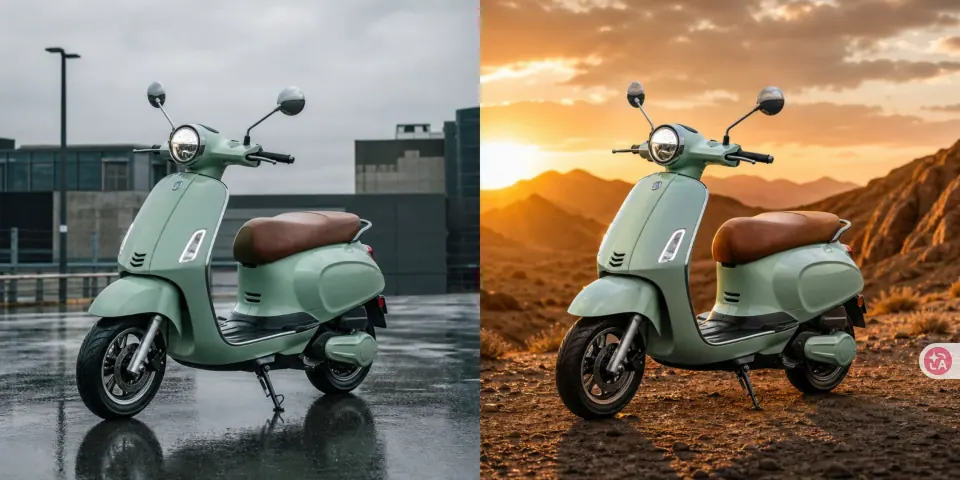
ClipLumi is a browser-based AI image editor for revising a picture you already have. Its main use case is not “generate a completely new image from a blank prompt.” It is “keep the valuable parts of this source image, change the parts that are wrong, and make the result useful for a real destination.” That difference matters in everyday creative work. A product photo may already have the correct item, perspective, and composition but need a cleaner environment. A portrait may have the right person and framing but need presentation changes. A campaign visual may already be approved except for one background or format adjustment. Rebuilding those assets from zero gives an AI model more freedom than the task actually requires. ClipLumi keeps the original image in the workflow so the user can describe a revision instead. #### Start from the source The current ClipLumi homepage tells users to upload a photo, describe what should change and what must stay the same, and then refine the output with references, models, and output controls. This makes the source image a practical anchor. Instead of relying on memory or a long text description of the original asset, the model receives the actual visual starting point. The user can then focus the written instruction on the difference between the current image and the desired one. For a product image, that might mean changing the setting while protecting product shape, color, branding, scale, and camera angle. For a portrait, it might mean improving the scene while preserving identity, pose, and framing. For a room or lifestyle image, it could mean updating a visual treatment without replacing every object in the composition. #### Describe both change and preservation A useful AI editing instruction contains two pieces of information. The first is the requested change: remove an unwanted background element, create a cleaner environment, restyle the scene, repair visible damage, or prepare a different visual treatment. The second is the preservation requirement: keep the product, face, pose, composition, key object, crop, or another accepted detail stable. ClipLumi’s interface is built around this idea. It lets users express the edit in ordinary language rather than forcing them to begin with manual masks or layer operations. The editor also includes AI Enhance for the prompt when the user wants help making an instruction clearer. This approach is especially useful when the image is already close to finished. It turns the task from “make something good” into “make this specific revision without unnecessarily changing the rest.” #### Add visual context with reference images ClipLumi currently supports up to three reference images. #### Why ClipLumi exists The main value of ClipLumi is preservation-aware revision. AI image generation is useful when the user needs invention. ClipLumi is aimed at the large category of jobs where invention is only part of the problem because the user already owns a useful source image. By keeping that source visible, accepting a natural-language change request, allowing the user to specify what should remain, supporting up to three references, and exposing output controls in one browser interface, ClipLumi provides a practical workflow for moving an image from “almost right” to “ready for the next use.” For product imagery, marketing creative, creator assets, portraits, scene changes, image-to-image experiments, restoration, and upscaling, that controlled source-first approach can be more useful than starting over from a blank prompt.
This listing is claimed
Own ClipLumi? Sign in with the email used to claim it to manage this listing, or upgrade to Pro for featured-first placement and a newsletter feature.