
Elvish Translator
Fun AI Tools
Translate English into Sindarin or Quenya with Tengwar script, with clear language choices and honest flags when no official equivalent exists.
- Pricing
- Free
- Category
- Fun
- Listed
- Sep 24, 2026
- Updated
- Sep 24, 2026
Promoted
 Sidrune AI85% off. Stable Claude API for agent developers. Pay as you go. Invoices & refunds available.
 Pixmax.aiPixmax.ai is an all-in-one AI workspace for videos, visual stories, and marketing content.
 AI Checker PlusAI detector that highlights which passages AI wrote. Free check, no sign-up. Plagiarism too.
 RewindType any X/Twitter handle. Get their year back as a narrated video story. Then ask it anything.
 KurodyneSell the tools from your AI side projects. Listing is free.
 SEOify - Improve your SEO & rankingsBuild links to rank in Google. Improve your DR with links you can start building now.Advertise here270,000+ people visit Dang.ai every month.
What does Elvish Translator do?
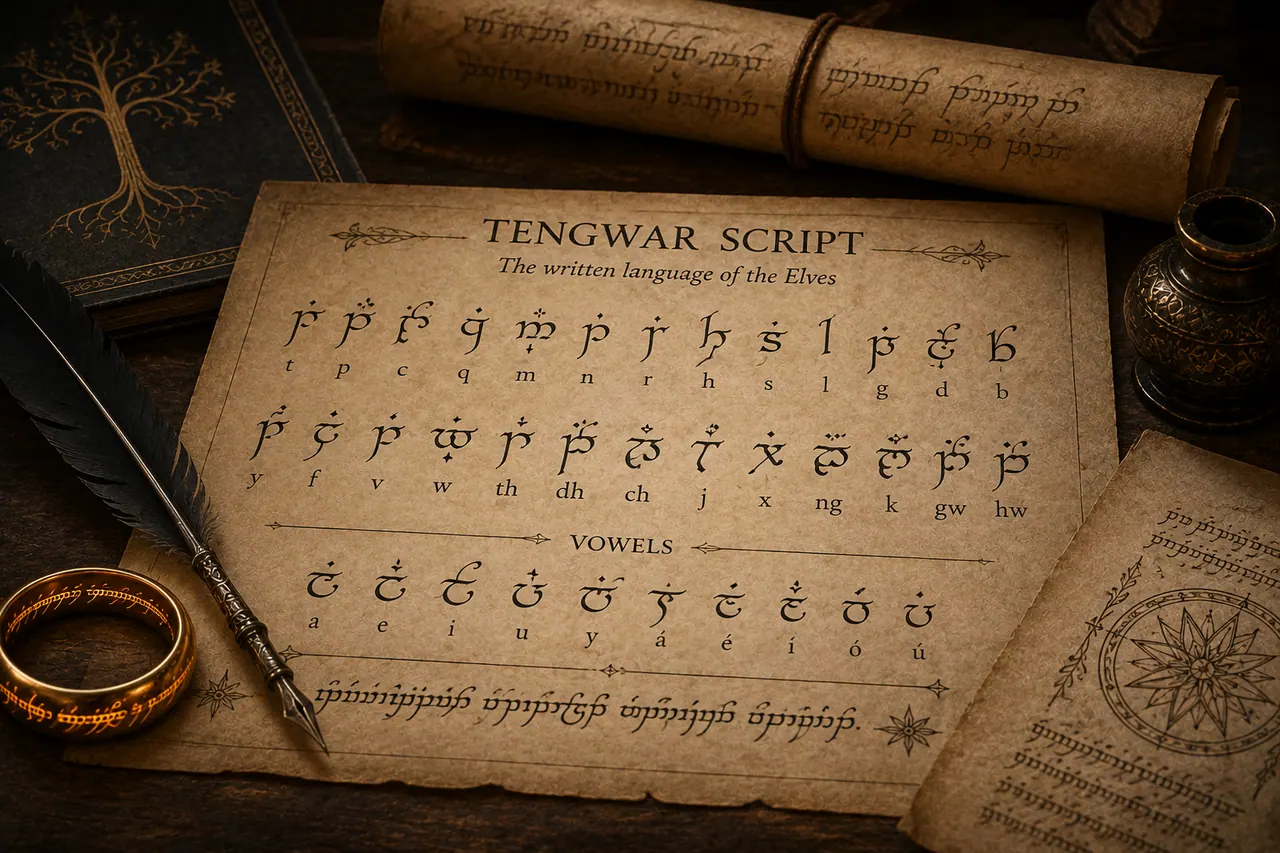
Elvish Translator helps you turn a name, single word, or short phrase into Sindarin or Quenya, then displays the result in Tengwar script so you can see how it would appear in writing. It’s built for people who want more than decorative “Elvish-looking” lettering—aiming for results grounded in documented Tolkien vocabulary.
You can choose the language mindset behind your translation: Sindarin for a warmer, everyday feel, or Quenya for a more formal, ceremonial tone. The tool also distinguishes between translation (meaning) and transliteration (rendering a name’s sounds), so you know whether you’re getting a real Elvish equivalent or a script-based sound rendering.
The output focuses on trust and clarity. When a clean Sindarin/Quenya match exists, you’ll see the language used and the reasoning behind the choice; when no official equivalent is available, the tool flags it rather than generating something that only looks plausible. It also emphasizes that shorter inputs generally work more reliably than longer, idiomatic sentences.
What can I translate with Elvish Translator—names, phrases, or whole sentences?
It works best with short inputs like single words, names, and brief phrases. Longer, idiomatic sentences often don’t carry over cleanly because Tolkien’s documented vocabulary has real limits.
Does this tool always translate by meaning, or can it render names in Elvish script?
It supports both approaches: translation uses an actual documented Sindarin/Quenya word with related meaning, while transliteration keeps your original name and renders its sounds using Tengwar letters.
Should I choose Sindarin or Quenya?
Use Sindarin for an everyday, conversational tone; it’s the Elvish most associated with The Lord of the Rings. Choose Quenya for something more formal and ceremonial, with an older “lore” feel.
Why do some terms not have an Elvish equivalent?
Elvish vocabulary has gaps because Tolkien built these languages to fit a specific fictional history, not everyday modern life. If no official word exists, the tool indicates that clearly instead of inventing one.
What script does the translator display the result in?
By default, it renders results in Tengwar script, showing how your chosen Sindarin or Quenya would appear in writing.
Can I use the results for tattoos or engravings?
You can use the tool, but treat it as a starting point rather than an unquestionable final authority—especially for anything permanent. For best confidence, cross-check against additional references before committing.
This listing is claimed
Own Elvish Translator? Sign in with the email used to claim it to manage this listing, or upgrade to Pro for featured-first placement and a newsletter feature.